
If you own a small business, there may come a point where someone says:
“You should incorporate.”
And suddenly, your brain may do one of three things:
- Pretend to understand.
- Panic quietly.
- Decide this sounds like something “future you” can deal with.
Fair enough.
Incorporation sounds official. It sounds serious. It sounds like your business is putting on a blazer, walking into a boardroom, and asking for sparkling water.
But the truth is, incorporating your business isn’t automatically good or bad. It depends on your income, your risk, your goals, your costs, and whether your business is ready for the extra structure.
So let’s break it down in plain English.
We’ll skip the tax-jargon tornado and the legal lecture. Just the basics of what incorporation means and when it might, or might not, make sense.
First, what does it mean to incorporate?
When you incorporate, your business becomes a separate legal entity from you.
That means the corporation is treated as its own “person” for legal and tax purposes. It can earn income, pay expenses, own assets, enter into contracts, borrow money, and file its own tax return.
In simple terms, instead of this:
You are the business.
It becomes this:
You own the corporation, and the corporation runs the business.
That’s very different from being a sole proprietor.
As a sole proprietor, you and the business are legally connected. Your business income is reported on your personal tax return. The money the business earns is considered your income, even if you keep it in a separate bank account.
With a corporation, the corporation files its own corporate tax return and pays corporate tax. Then, when money comes out to you personally, it has to be recorded properly, usually as salary, dividends, shareholder loan repayments, or another properly documented method.
This is where things can get useful. It is also where things can get messy if the bookkeeping isn’t clean.
The big reason people incorporate: tax planning

One of the main reasons business owners think about incorporating is tax planning.
Corporations may have access to lower tax rates on certain types of active business income, which can create a planning advantage.
Now here is the important part:
That advantage is usually most helpful when the business earns more money than you personally need to take out right away.
When your business earns profit, and you can leave some of that money inside the corporation, incorporation may give you more flexibility. The corporation can use that money to buy equipment, build a cash cushion, hire help, invest in growth, or prepare for slower months.
But if you need to pull out every dollar personally to pay for your life, mortgage, groceries, kids, pets, cottage repairs, and the occasional emotional-support takeout, then the tax advantage may not be as exciting as people imagine.
That doesn’t mean incorporation is wrong. The point is that the benefit depends on your actual situation.
The question isn’t simply:
“Will I pay less tax?”
The better question is:
“Does my business earn more than I need to live on personally?”
That second question is where the conversation gets practical.
Incorporation does not make personal tax disappear
This is a big one.
Incorporating doesn’t mean you magically avoid personal tax. If your corporation earns money, that money belongs to the corporation. You own the corporation, yes. But the corporate bank account isn’t supposed to become your personal debit card with a more impressive name.
When you take money out, it needs to be tracked correctly.
For example, if you pay yourself a dividend, that dividend isn’t a regular business expense. It doesn’t reduce corporate profit the same way rent, bookkeeping, software, materials, insurance, or subcontractor costs might.
Dividends are generally paid out of corporate earnings after the corporation has dealt with its own tax.
So if a business owner says, “I paid myself dividends, so that should reduce my profit,” the answer is… not quite.
Nice try, but no.
CRA is not sitting there saying, “Sure, seems casual.”
This is why bookkeeping matters so much once you incorporate. Money moving between you and your corporation has to be recorded clearly. Otherwise, things can become confusing very quickly.
And by “confusing,” I mean your accountant may sigh deeply during tax season.
Nobody wants that.
Another reason people incorporate: liability protection
Incorporation may also provide some liability protection because the corporation is separate from you personally.
That can be helpful if your business has more risk.
For example, if you work in construction, trades, consulting, have employees, sign larger contracts, rent space, borrow money, or deal with higher-risk work, incorporation may be worth discussing with your lawyer and accountant.
But incorporation isn’t an invisibility cloak. There are still situations where you can be personally responsible, especially if you personally guarantee loans, fall behind on certain government remittances, or do not manage things properly as a director.
So yes, incorporation can create a layer of separation. But no, it does not mean nothing can touch you.
Think of it as protection with limits.
Still useful. Just not magical.
The part people forget: incorporation adds more

This is the part that often gets skipped when people casually say, “Just incorporate.”
Incorporation adds structure, and structure usually comes with paperwork.
A corporation may mean:
- A separate corporate tax return;
- Annual legal filings;
- A separate corporate bank account;
- More detailed bookkeeping;
- Properly recorded payments to yourself;
- Payroll filings if you pay yourself a salary;
- Dividend documentation if you pay dividends;
- A corporate minute book;
- More communication with your accountant.
This isn’t meant to scare you. Consider this your reminder not to incorporate just because someone at a barbecue said it “saves tax.”
That person may also think their bank balance is the same thing as profit. We love them, but we do not build tax plans around them.
If your books are already messy as a sole proprietor, they will not magically become cleaner because you add “Inc.” to your business name.
Incorporation rewards organization. It doesn’t replace it.
A corporation with messy books isn’t more sophisticated. It’s just a mess with articles of incorporation.
When incorporation might make sense
Incorporation may be worth exploring if a few things are true for your business, like these:
- Your business is earning more than you need personally;
- You want to leave profit inside the business;
- Your business is growing;
- You have employees or subcontractors;
- Your business carries more liability risk;
- You want a more formal structure;
- You may eventually sell the business;
- You work with larger clients or contracts;
- You want a clearer separation between business and personal finances.
For example, let’s say your business is doing well and you don’t need to take out all the profit personally.
In that case, a corporation may allow you to leave money inside the business for future use. That money could help you buy equipment, hire support, smooth out slower months, or invest in the next stage of growth.
That’s where incorporation can become a useful planning tool. It gives you more control over timing, structure, and how money flows.
When incorporation might not be worth it yet
Incorporation may not be worth rushing into if any of these sound familiar:
- Your income is still low or inconsistent;
- You need to withdraw all the profit personally;
- Your business is simple and low-risk;
- You are not ready for extra bookkeeping and filing costs;
- You are still testing whether the business is viable;
- You are incorporating only because it sounds more professional.
There’s absolutely nothing wrong with being a sole proprietor. For many small business owners, a sole proprietorship is simple, flexible, and completely appropriate, especially in the early stages.
Sometimes the smartest move is to keep things simple until the business grows enough to justify the extra structure. In other words, don’t buy a filing cabinet for paperwork you don’t have yet.
A quick warning about “incorporated employees”
There’s one more thing to be careful about.
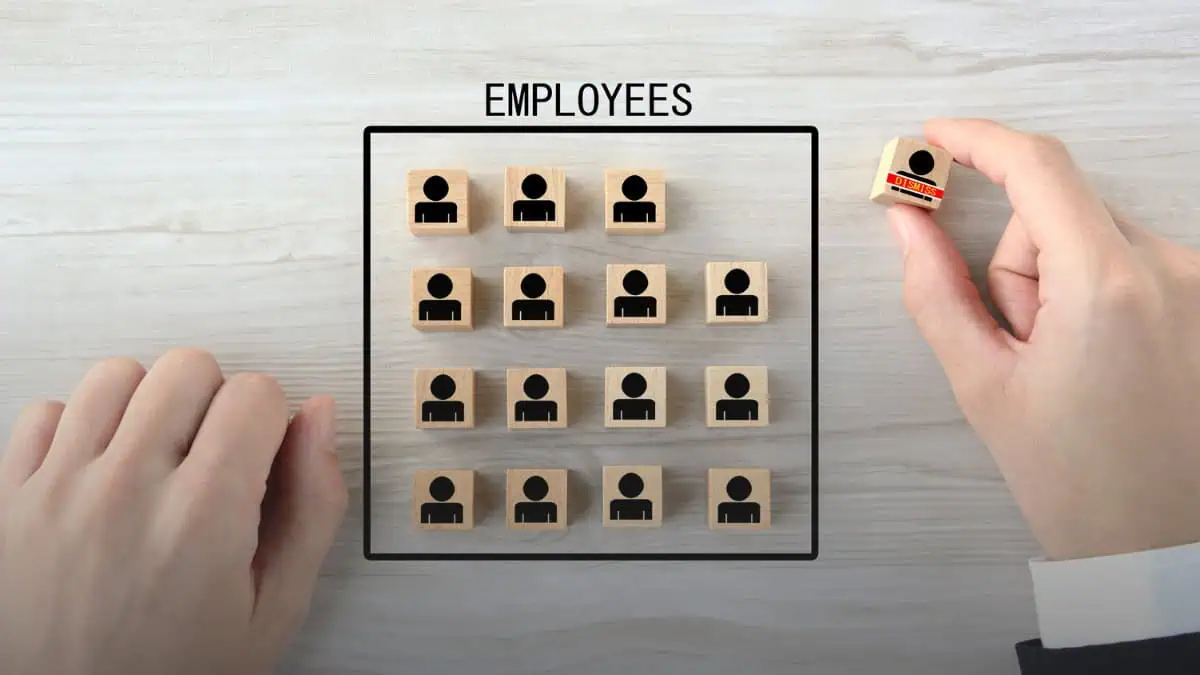
If you incorporate, but you really work like an employee for one main company, CRA may take a closer look.
For example, if you work mainly for one payer, follow their schedule, use their tools, work under their direction, and look very much like an employee, simply adding a corporation in the middle doesn’t automatically make you a true independent business.
The structure has to match the reality.
CRA cares about what’s actually happening, not just what’s written on the invoice. So before incorporating for contract work, it’s worth getting advice. This is one of those areas where “my friend said it was fine” is not a tax plan.
So, should you incorporate?
Here is the simple answer.
Consider incorporating when your business has enough profit, risk, or growth potential to justify the added structure. If your main reason is that it sounds impressive, stop right there.
Incorporation can help with tax planning, liability separation, credibility, growth, and long-term business structure. But it also brings more responsibility, more filings, more bookkeeping, and more chances to create confusion if money is not tracked properly.
So before making the decision, talk to your accountant and lawyer. And please, before you incorporate, get clear on your bookkeeping. Because whether you are a sole proprietor or a corporation, the books still need to tell the truth.
Final thought
Incorporation isn’t a badge of honour.
It isn’t a tax trick nor something every business owner needs on day one.
It’s a tool.
And like any tool, it works best when used at the right time, for the right job, with the right support around it.
So if your business is growing, your income is increasing, your risks are getting bigger, or you are wondering whether your current setup still makes sense, it may be time to ask:
“Is my business ready for a corporate structure?”
And if your first thought is, “I have no idea because my bookkeeping is a disaster,” then that is probably the first place to start.
Clean books make every business decision easier, including the big ones.
Need help getting clear before you make the next move?
I’m Alice Wynter, and I help small Canadian business owners stay organized, tax-time ready, and clear on their numbers, without the year-end scramble.
Whether you are a sole proprietor, incorporated, or wondering what comes next, clean bookkeeping gives you the information you need to make better decisions.
Book a free one-hour consultation, and let’s take a look at where things stand.
Did you like this article? You may also like:
Just Me Inc. – Is Growth Hurting Your Business?
The Real Reason You’re Avoiding Your Bookkeeping (And What to Do Instead)