

Have you ever said to yourself, “I love my business, but does it have to take over my entire life?”
Picture a Saturday in November. You’re meeting a friend for lunch. You’ve even made a reservation, which suggests you were quite serious about going.
But before you leave, you sit down to send one last invoice.
While you’re there, you notice another customer’s payment is overdue, so you check the details and send a reminder. Then you spot an email about a receipt you meant to download, which reminds you of a business purchase you paid for personally and still haven’t recorded.
Your phone lights up.
“Still coming?”
Yes. Absolutely. You’re practically there, apart from the fact that you’re still at the kitchen table in your slippers.
Eventually, you get out the door. But on the way, you’re thinking about the things you didn’t finish and when you’ll fit them in.
If that sounds familiar, I can understand why you might be getting a little fed up and maybe overwhelmed. You’ve worked all week. You’d quite like to go for lunch without first completing a small administrative obstacle course.
This is the sort of thing I think about as the year comes to an end. When we do our year-end bookkeeping, it shows what our businesses earned and what they spent, but it’s also worth looking at how much of our own time went into keeping everything running.
Where did all those Saturday mornings go?
What Can Your Year-End Bookkeeping Tell You?

Once your records are up to date for the year, your books can show you:
1. Whether your business made a profit.
Your Profit & Loss statement (sometimes called an income statement) shows the money that came in, what it cost to run your business and what was left over. If you track income by service, it can also show which services bring in the most money, which is useful when you look at your pricing.
2. Who still owes you money, and for how long.
An accounts receivable report lists your unpaid invoices and how long each one has been outstanding. If some have been sitting for 60 or 90 days, it may be time to look at your payment terms and how you follow up on overdue invoices.
3. What still needs attention before tax time.
Unrecorded receipts, business purchases you paid for personally and anything not yet categorized can be sorted out now, so your accountant has clean records to work with when you’re preparing for tax time.
Your year-end books also give you a chance to put some facts behind the question of where your time went.
Practical Ways to Win Back Your Weekends
With those numbers in front of you, you might consider what was happening while you earned that money.
Perhaps sales increased, but so did the amount of time you spent answering questions, making changes or chasing payments. Perhaps a service you priced two years ago now includes several things you’ve gradually agreed to add.
You may have been saying, “Sure, I can do that,” rather more often than you realized.
Being helpful is lovely. Finding out you’ve accidentally included an extra day’s work “for free” in your fee is less lovely.
November is a good time to look at those arrangements. Compare what you agreed to provide with what you’re actually doing. If the work has changed, decide whether the price or the agreement needs to change for future work, too.
The same applies to the routines that keep taking up your spare time.
If you’re regularly chasing payments, look at when invoices go out, how clearly they explain payment terms and how you follow up. Set a regular time to review overdue invoices, and use automatic reminders where they’re available. That gives you a routine, rather than relying on remembering an unpaid invoice just as you’re about to leave the house.
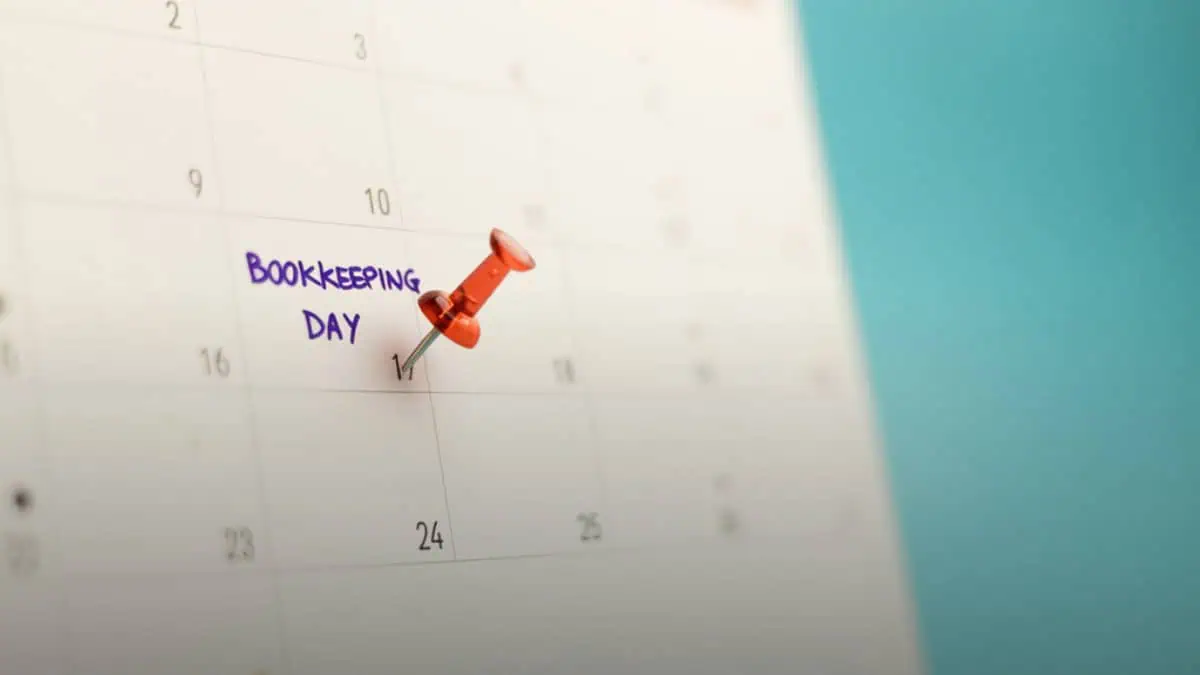
If bookkeeping keeps getting postponed, give it a scheduled place in your working week or month. Keep electronic receipts in a dedicated folder and paper receipts together. Record business purchases you paid for personally while you still remember the details.
It may also be worth looking at whether you can afford help with a task that regularly takes you hours. Find out what the help would cost and decide whether it would be worthwhile for your business.
Choose one of these things to work on first. Give the new arrangement a few weeks and see whether it’s helping. You can adjust it as you go.
What Would You Like More Time For?
I’m considering these questions in my own business, too. I enjoy building it, and I care about the work. I also love being at the cottage, spending time outdoors, travelling and being with the people who matter to me. I want to be able to enjoy those things without mentally working through a list of unfinished tasks.
And occasionally, I’d like an afternoon when nobody needs me to find, fix or explain anything. I have several excellent plans for doing very little.
You’ll have your own idea of what you’d like more time for. Keep it in mind as you decide what to change before the end of 2026. If you want a free Saturday, look at the work that keeps following you into it and make a practical plan for handling that work another way.
Then make the lunch reservation. This time, when your friend texts, “Still coming?” you might be the one already sitting at the table.
Want help getting your year-end bookkeeping sorted so your Saturdays stay free? Let’s figure it out together.
Did you like this article? You may also like:
Is Your Bookkeeping Keeping You Up At Night?
To Incorporate or Not to Incorporate? That Is the Small Business Question